Lipid profiling is a crucial aspect of assessing your overall health as it provides insights into your cholesterol levels, including HDL (good cholesterol), LDL (bad cholesterol), and triglycerides. Elevated levels of LDL and triglycerides and low levels of HDL can increase your risk of cardiovascular disease. By understanding your lipid profile, you can take proactive steps to manage your cholesterol levels through lifestyle changes such as diet and exercise, potentially reducing your risk of heart disease and stroke.
Monitoring your blood glucose levels is essential for assessing your risk of diabetes and understanding how your body processes sugar. Elevated blood glucose levels can indicate insulin resistance or diabetes, while low levels may suggest hypoglycemia. By regularly checking your blood glucose levels, you can detect potential issues early on and take steps to manage your diet, exercise, and medication regimen to maintain stable blood sugar levels and prevent complications associated with diabetes.
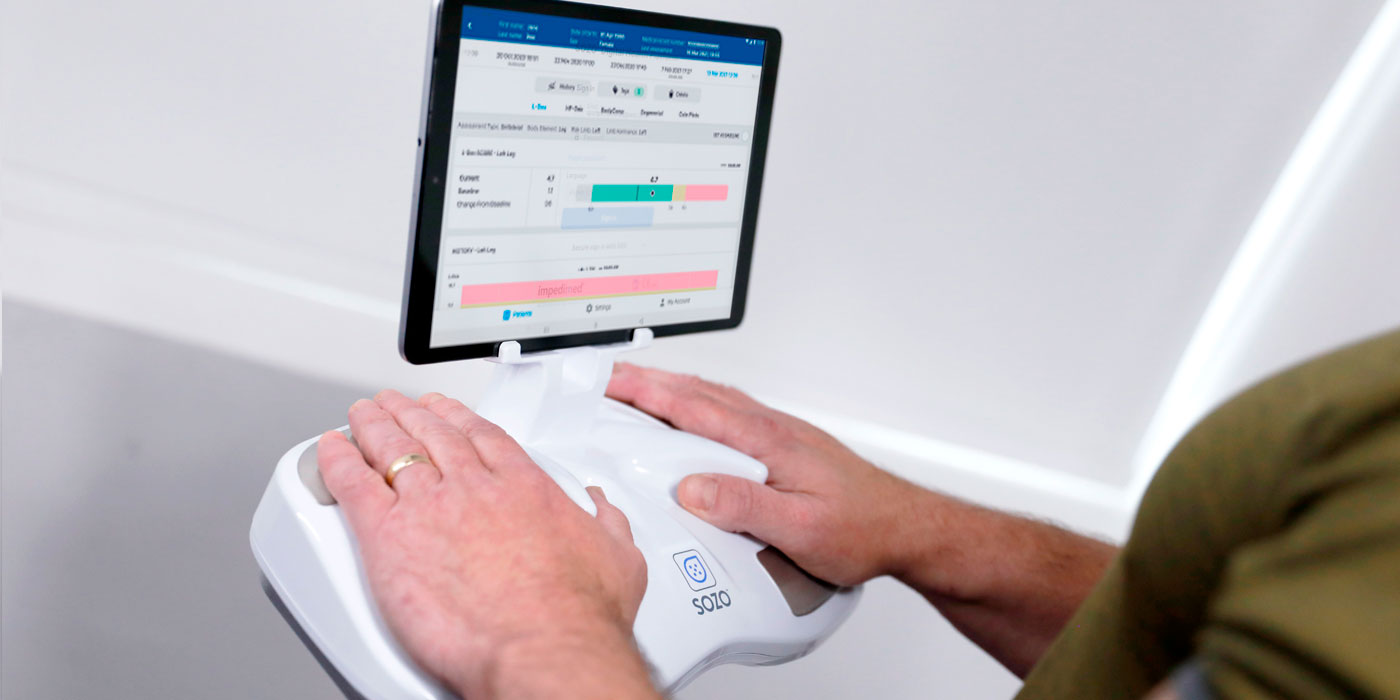
Whether you’re looking to lose weight, improve your health, understand your body better or recover from injury, our state-of-the-art seca Body Composition Analysis provides valuable insights beyond weight alone. Using this advanced technology, we can measure muscle mass, body fat, hydration, and other important factors, to help you make informed decisions about your health and track meaningful changes over time.
Understanding your body composition can help you set realistic weight loss or muscle gain goals and track your progress over time. By focusing on improving your body composition rather than simply losing weight, you can optimise your health, reduce your risk of chronic diseases, and enhance your physical performance and overall well-being.
BMI, or Body Mass Index, is a widely used measure of body fat based on your height and weight. While BMI can be a useful screening tool for assessing weight-related health risks, it’s important to recognize its limitations, particularly in individuals with high muscle mass or those who carry weight differently. A high BMI may indicate excess body fat and an increased risk of obesity-related health conditions such as diabetes, heart disease, and certain cancers. However, it’s essential to consider other factors such as body composition and waist circumference when evaluating overall health and disease risk.
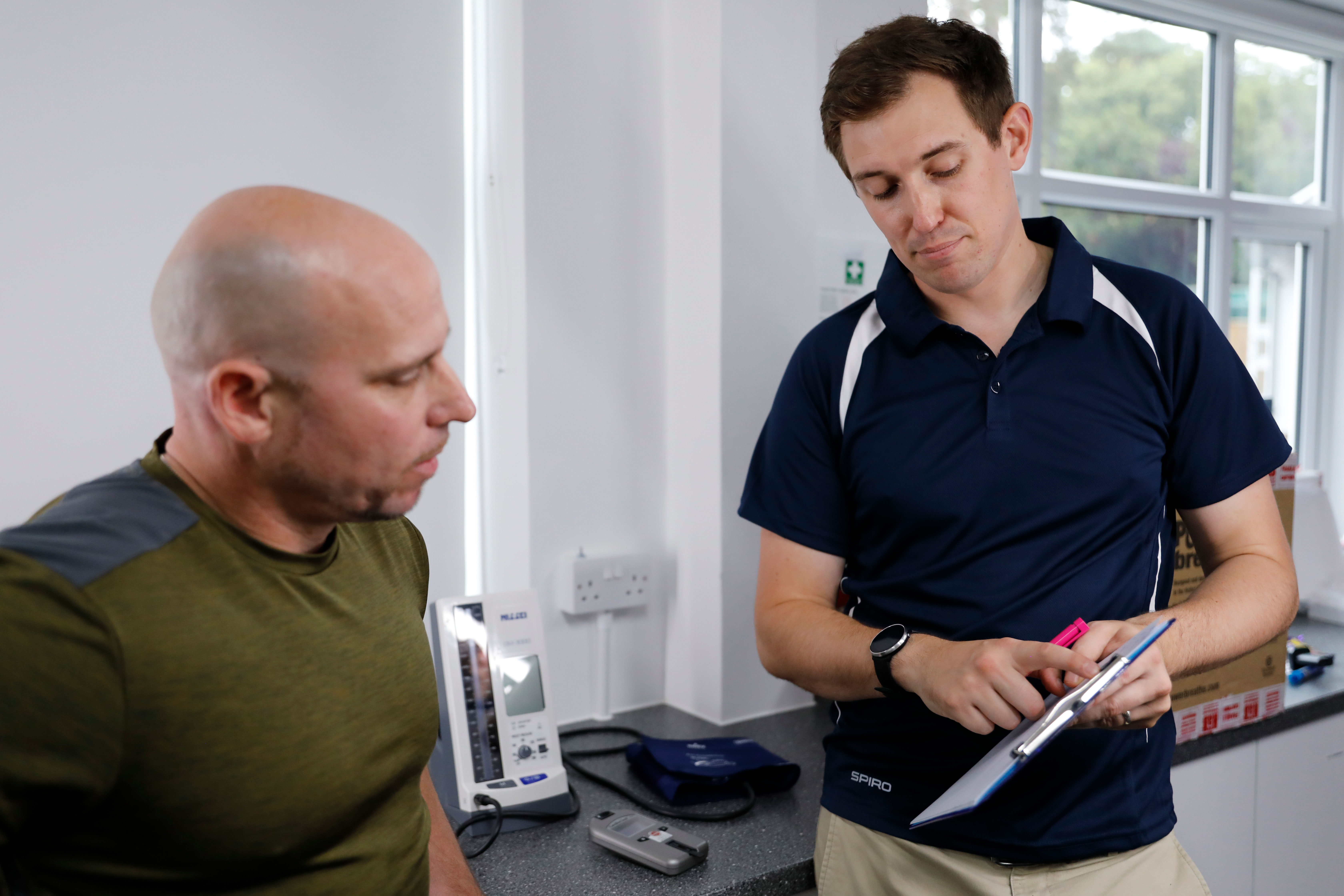
Monitoring your blood pressure is critical for assessing your cardiovascular health and detecting hypertension, or high blood pressure, which is a significant risk factor for heart disease, stroke, and other vascular conditions. High blood pressure often has no symptoms, so regular screenings are essential for early detection and intervention. By maintaining healthy blood pressure levels through lifestyle modifications, medication, or other interventions, you can reduce your risk of cardiovascular events and improve your long-term health outcomes.
The hip-to-waist ratio is a simple yet powerful indicator of your body fat distribution and overall health risk. Excess abdominal fat, indicated by a high waist-to-hip ratio, is associated with an increased risk of obesity-related health conditions such as type 2 diabetes, heart disease, and metabolic syndrome. By measuring your hip-to-waist ratio, you can assess your abdominal obesity and take proactive steps to reduce visceral fat through lifestyle changes such as diet, exercise, and stress management.
Assessing your strength is essential for evaluating your physical fitness and functional abilities, as well as identifying potential weaknesses or imbalances that may increase your risk of injury. Strength testing can involve various exercises targeting different muscle groups, providing valuable information about your overall muscular strength, endurance, and power. By improving your strength through targeted resistance training and functional exercises, you can enhance your physical performance, reduce your risk of falls and injuries, and support your long-term health and independence.
Predicting your total daily energy expenditure (TDEE) is crucial for understanding your calorie needs and maintaining a healthy weight. Your TDEE represents the total number of calories your body burns in a day through basal metabolic rate (BMR), physical activity, and digestion. By calculating your TDEE, you can determine how many calories you need to consume to maintain, gain, or lose weight effectively. This information is valuable for developing personalised nutrition plans and achieving your health and fitness goals while supporting optimal energy levels and overall well-being.